Early habitation and indigenous societies

Long before the arrival of Europeans, Curaçao was inhabited by indigenous peoples, mainly the Caquetío, who belonged to the Arawak language family. They lived in small communities and engaged in agriculture, fishing and trade with surrounding islands and mainland South America. Their society was strongly connected to nature, as evidenced by petroglyphs, pottery and tools found in various places on the island.

In 1499, the island first reached European attention during a Spanish expedition. Spain claimed Curaçao, but found the island economically unattractive due to the lack of gold and fresh water. Many native inhabitants were deported to other Spanish colonies, leaving Curaçao largely depopulated.

The Dutch period and strategic importance

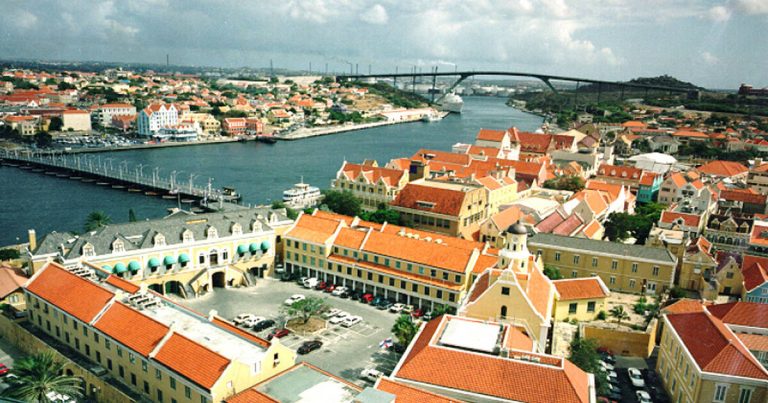
An important turn came in 1634, when the West India Company conquered the island. For the Dutch, Curaçao was especially strategically important because of its natural deep-water harbor. Around this harbor emerged Willemstad, which developed into an administrative and economic center.

During the 17th and 18th centuries, Curaçao grew into a major hub in Caribbean trade. The island played a central role in the transatlantic slave trade, reselling enslaved Africans to other colonies. This period left deep marks on Curaçao’s demography, culture and social relations.

Slavery, resistance and abolition


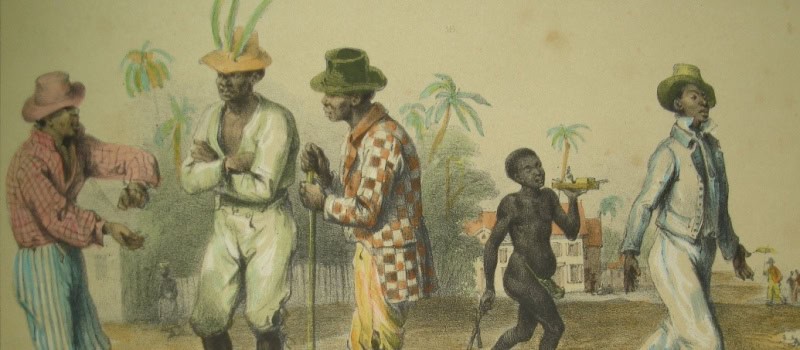
Slavery defined daily life on the island for centuries. Enslaved people worked on plantations, in salt mining and in households. However, there was also resistance, both openly and in everyday life. A well-known example is the slave revolt of 1795 led by Tula, which symbolizes the struggle against oppression.

In 1863, slavery was officially abolished. The transition to freedom was difficult: former enslaved people received few economic opportunities and often remained dependent on their former owners. Yet this period laid the foundation for new social and cultural developments.

Industrialization and social change

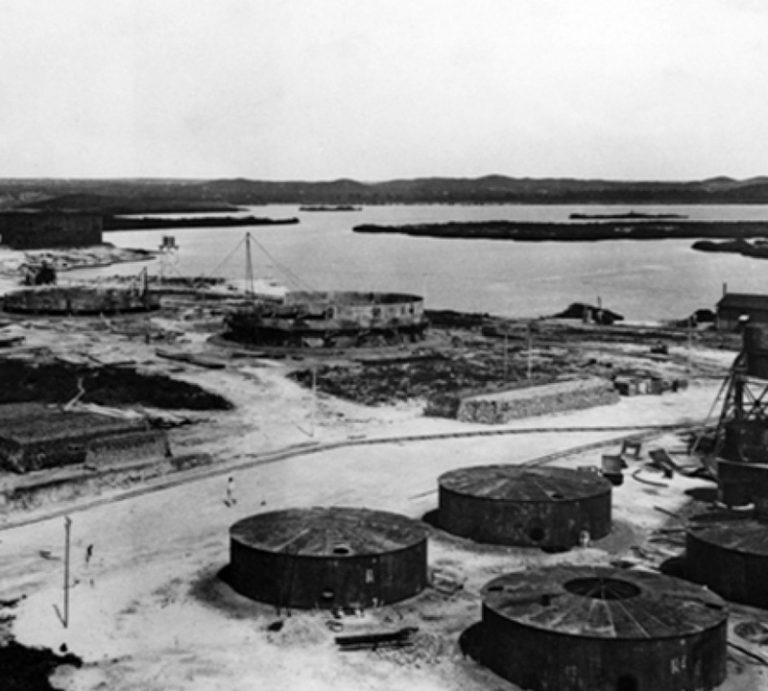
At the beginning of the 20th century, Curaçao changed dramatically with the advent of the oil industry. The refinery attracted workers from the region and beyond, bringing population growth and further cultural diversity. At the same time, new social tensions arose, manifested among other things in worker protests in the 1960s.

Political development and autonomy

During the 20th century, the relationship with the Netherlands was revised. Curaçao was part of the Netherlands Antilles, but chose a new status in 2010. Since then, the island has been an autonomous country within the Kingdom of the Netherlands, with its own government and parliament, while the Netherlands remains responsible for defense and foreign relations.

Curaçao today

Contemporary Curaçao is a society in which history remains palpable. The mix of African, European and Caribbean influences is visible in language (such as Papiamentu), architecture, music and religion. At the same time, the island is looking forward, with a focus on education, tourism and cultural heritage.

The history of Curaçao is thus not a closed chapter, but a living story that continues to shape the island’s identity and future.

Rent a car on Curacao with Cura Explore

Discover the history of Curacao with a rental car from Cura Explore Car Rentals.

From compact to SUV, Sedan to 7 Seater, Cura Explore has it all.

Would you like to receive the car at the airport? No problem either. Click here for a personalized quote.

Leave a Reply

Your email address will not be published. Required fields are marked *